


Visual impact and premium finishing are essential for your product’s packaging and must be taken into account once you design it and it goes for printing. However, as substrates and coatings become more complex, achieving flawless hot stamping results has become increasingly challenging. Issues such as gassing, air entrapment and inconsistent coverage are common when working with modern laminates, UV coatings and low-migration inks.
As the local distributor for KURZ in Southern Africa, Synchron brings a proven solution to market: MSU hot stamping technology, specifically developed to overcome these technical limitations and deliver consistent, high-quality results across a wide range of demanding surfaces.
Understanding the problem: Gassing and air entrapment
This foil grade is designed to perform where many others fall short, making it a reliable choice for demanding and difficult surfaces. It delivers consistent adhesion across a wide range of substrates, including coated or printed materials that are often challenging to decorate. By maintaining a clean, even finish, it helps avoid common surface imperfections that can detract from the overall look and perceived quality of the final product. The result is defects such as pinholes, poor coverage and uneven edges, all of which compromise the final appearance and quality of the product.
Difficult substrates commonly affected include laminated papers, UV-lacquered surfaces, metallised boards, PET, OPP and PE films, PVC, acetate finishes and materials used for calendars. As brand owners continue to demand more complex and sustainable packaging solutions, these surface types are becoming the norm rather than the exception.


MSU Hot stamping technology
KURZ’s MSU (Multiple Surface Usage) technology has been specifically engineered to address these challenges. Rather than treating difficult substrates as a limitation, MSU is designed to perform reliably across multiple surface types and applications.
MSU works particularly well on laminates, UV lacquers and low-migration inks, while also delivering great results on coated and printed papers and cardboards. Its advanced formulation allows for improved air release during the stamping process, which significantly reduces gassing and air entrapment.
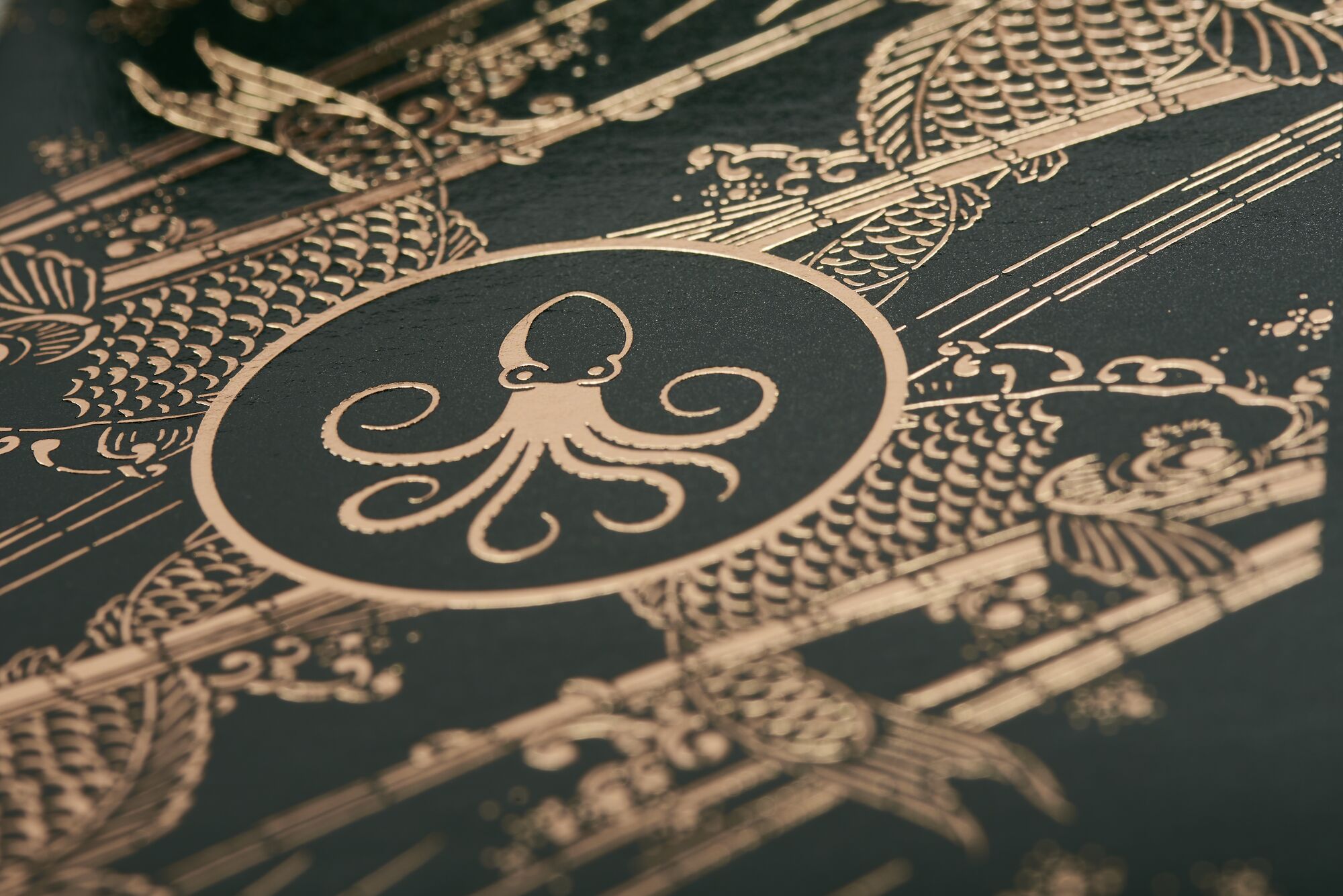

What are the key benefits for printers and converters?
From a technical and production perspective, MSU offers several key benefits:
- Improved “forgiving” properties – making setup easier and reducing waste
- High-speed application capability – supporting efficient production
- Excellent edge definition – even on fine to medium motifs
- High-gloss finishes with solid coverage and no edge dust.
These benefits show improved productivity, reduced rejects and excellent visual results, which are critical factors for printers and converters operating in various markets.
A competitive advantage for Southern Africa
With MSU, Synchron enables local converters to confidently take on more complex substrates and premium embellishment projects that were previously difficult or unreliable. Backed by full technical documentation, safety data sheets and certification for indirect food contact, MSU also supports compliance and sustainability requirements.
MSU is not just a hot stamping product, it is a technical differentiator that allows local manufacturers to push creative boundaries while maintaining consistent, high-quality output. For more information, you can contact us on cs@synchron.co.za.
Have a look at our Hot Stamping page for more details and examples and our Printing and Packaging page for more inspiration.
Related Posts
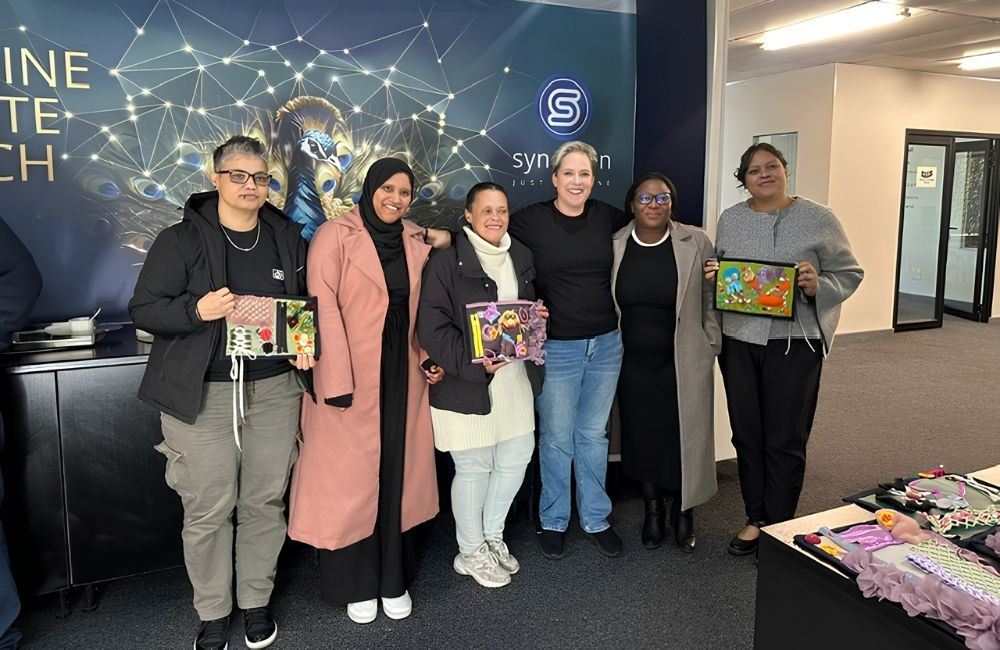
For Mandela Day, the Synchron team turned familiar fabrics into thoughtfully designed sensory blankets, combining creativity, expert guidance and community care. Together with donations of food and clothing, the handmade blankets supported three local organisations and showed how everyday resources can make a meaningful difference.

Mpact laboratory testing provides encouraging evidence for brands considering decorative transfer foil on fibre-based packaging. Three KURZ hot- and cold-transfer foil samples achieved exceptionally high fibre yields and were assessed as suitable for standard-mill recycling, supporting more informed and responsible packaging design.

Once upon a time, a truck curtain was mainly expected to keep cargo covered, protected from the weather and easy to access during loading and unloading. That has changed…
