


Packaging has always had one job that no digital advert can fully replace: it has to perform in the hand, on the shelf and at the moment of choice. For wine, spirits, cosmetics, confectionery and premium food products, the label or carton is often the first physical proof of a brand’s quality. That is why embellishment is becoming part of the brand strategy.
This is exactly where we believe designers and brand teams should put their focus in the near future. Synchron represents KURZ in Sub-Saharan Africa, bringing international foil, transfer and surface-decoration technology into the local market.
The direction is clear: packaging needs to look beautiful, feel deliberate, prove its sustainability credentials and still be practical to produce.

Sustainability claims will need proof, not just good intentions
One of the biggest packaging shifts for 2026/27 is the move from broad sustainability messaging to evidence-based sustainability. Mintel’s 2026 Global Packaging Predictions describe this as The End of Recycling Myth, highlighting rising environmental urgency, tighter regulation and growing consumer scepticism around unsupported recycling claims. Innova Market Insights has also named “Substantiated Sustainability” as its top packaging trend for 2026, pointing to verified environmental claims, stricter regulation and consumer wariness around greenwashing.
For designers, this means one thing: the finish has to be part of the sustainability conversation from the start. A premium label cannot look responsible while relying on vague language. It needs material choices, embellishment coverage, recyclability and production method to work together.
This is where transfer decoration is particularly relevant. KURZ’s transfer finishes use a wafer-thin aluminium layer, and products decorated with KURZ hot stamping and cold transfer can be recycled, with the decorations largely separated from cellulose fibres during deinking.
What this means for brand teams: do not treat foil as a sustainability risk by default. Treat it as a specification question. Ask early: What substrate are we using? What percentage coverage? Which transfer product? What recyclability evidence supports the claim?

Tactile design will matter more in an AI-saturated visual world
The more digital and AI-generated the visual world becomes, the more valuable physical texture becomes. Creative Bloq’s 2026 design trend analysis points to a move away from slick, algorithm-friendly sameness and towards texture, humanity, analogue craft and distinctiveness. KURZ’s own trend work also points towards designs with depth, contradiction, resilience, “robust luxury” and strong tactile or sensory cues.
This is why foil, embossing, relief effects and tactile finishes are not simply decorative. They are emotional signals. A raised crest on a wine label, a subtle metallic line on a skincare carton, or a diffractive detail on a perfume pack can create a pause, and in a retail environment, that matters.
Our hot stamping offer includes glossy, matte, metallic, diffractive and tactile effects, making it especially relevant where a brand needs packaging to communicate quality before the customer has read a single word.
What this means for designers: think about what the consumer should feel before they think. Should the pack feel quiet and refined? Scientific and precise? Opulent? Natural? Protective? The embellishment choice should support that emotional direction.

Foil will move beyond “gold equals premium”
Gold foil will always have its place, especially in wine, spirits, gifting and cosmetics. But the next wave of premium packaging is more nuanced. Designers are moving towards softer metallics, tinted foils, pearlescent effects, translucent finishes, refined holographics and tone-on-tone details.
KURZ’s design resources highlight fine detail, opaque embellishment, high-gloss effects and LIGHT LINE® diffractive finishes such as Laser, Mosaic, Reflex and SB Rounds. Its trend colour work also shows how metallics and special effects are being used as part of broader colour and storytelling systems rather than as isolated decoration.
The opportunity for brand designers is to use foil as a brand code. It can define a varietal, signal a premium tier, create a recognisable range architecture, highlight a logo, frame a claim, or add a security/authenticity cue.
What this means for brands: the question is no longer “Should we add foil?” The better question is: “What role should the foil play in the identity system?”
Short runs, limited editions and personalisation will keep growing
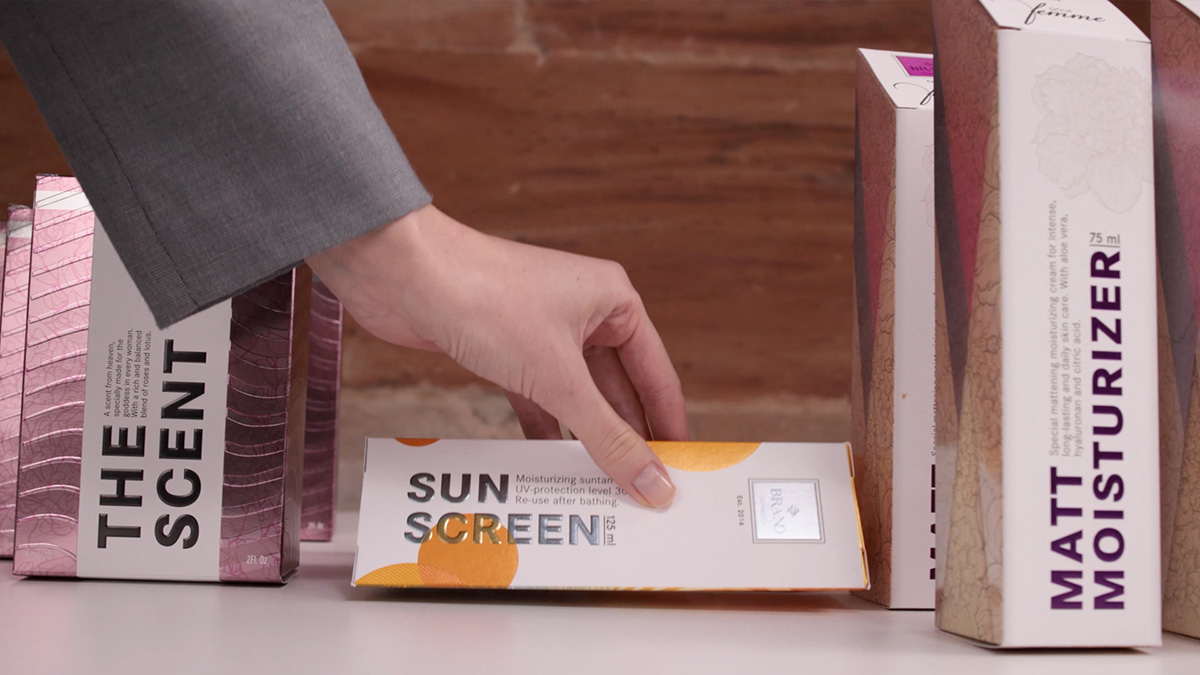
Packaging is being asked to do more versions, more seasonal moments and more targeted campaigns. This is particularly relevant for wine estates, craft spirits, boutique cosmetics, promotional packs, gifting ranges and product launches.
Digital transfer is important here because it supports customised metallic-gloss print jobs from small batches to larger production runs, with fast job switches and no need for additional tooling or set-up costs. KURZ also positions digital transfer for mass customisation, individualisation, small runs, special editions, product families, variable data and late-stage customisation.
For designers, this offers greater freedom. A wine producer can create a seasonal label without compromising the premium finish. A cosmetic brand can test a limited-edition shade or campaign pack. A gifting range can feel more personal without requiring traditional tooling for every version.
What this means for 2026/27: limited editions should not look like cheaper versions of the main pack. With the right digital embellishment strategy, they can become more collectable, more tactile and more memorable.
Smart and secure packaging will become part of premium design
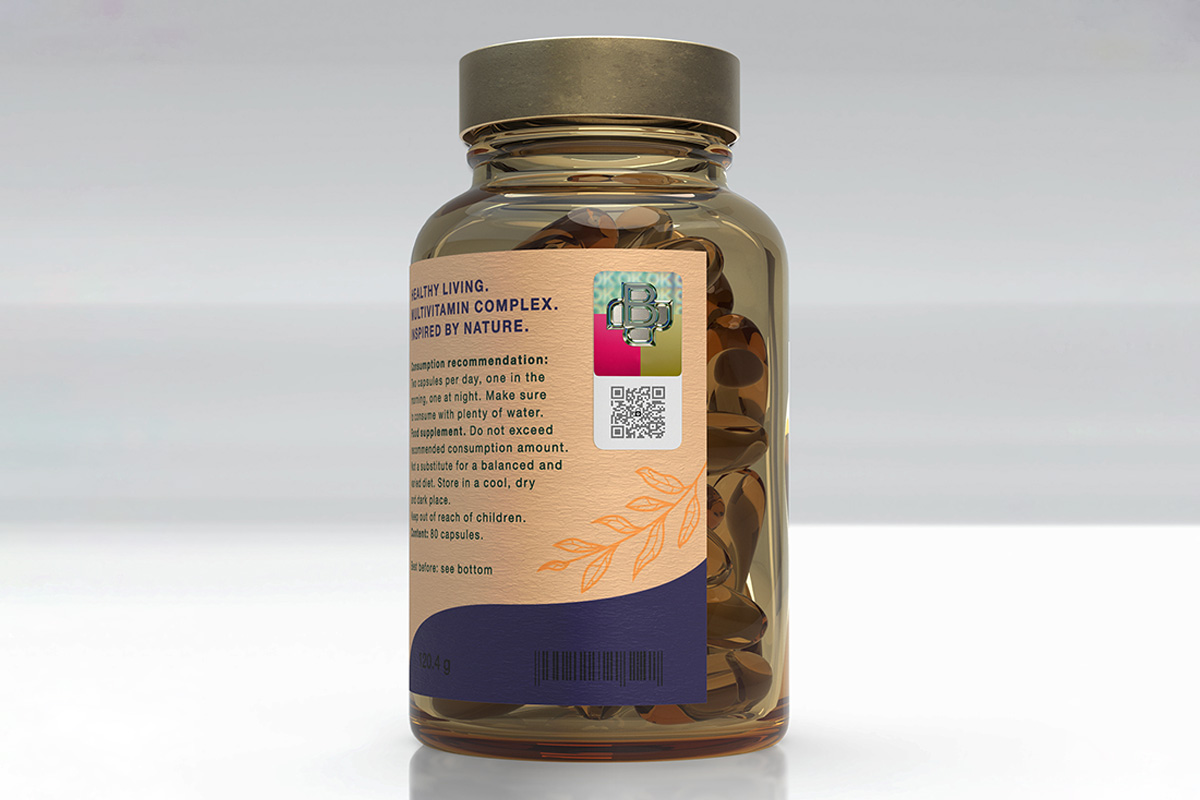
The physical pack is increasingly becoming a bridge between the brand, the consumer, and data. Packaging Insights notes that digital technologies such as QR codes, augmented reality and AI are becoming more important in packaging for engagement, traceability and brand connection. At the same time, KURZ SCRIBOS combines visible, concealed and digital security features that can be integrated into packaging concepts and verified as part of a brand-protection strategy.
This matters for cosmetics, pharmaceuticals, premium spirits, luxury goods and high-value food products, where counterfeiting, grey-market activity, and consumer trust are real concerns. A pack can now do more than look authentic. It can help prove authenticity.
What this means for designers: authentication should not be an ugly add-on. Security features can be designed into the visual language of the pack through foils, holographic elements, seals, labels, QR-linked journeys or concealed features.

Wine and spirits packaging will need quiet confidence
Wine labels are a perfect example of how embellishment can build perceived value. Synchron’s hot stamping applications include wine, spirits, beer, ready-to-drink beverages, and olive oil labels, with the technology positioned to deliver premium finishes that help brands stand out.
For 2026/27, wine and spirits brands should be looking at:
- restrained metallic accents rather than over-decoration
- textured papers paired with fine foil detail
- embossing that supports heritage, origin or craft
- digital embellishment for vintage releases, special editions and private-label runs
- security or authenticity cues for premium and export products
- verified sustainability claims around paper, board and embellishment choices.
The best wine labels will not simply be more embellished. They will be more intentional.
Cosmetics packaging will keep blending beauty, durability and sustainability
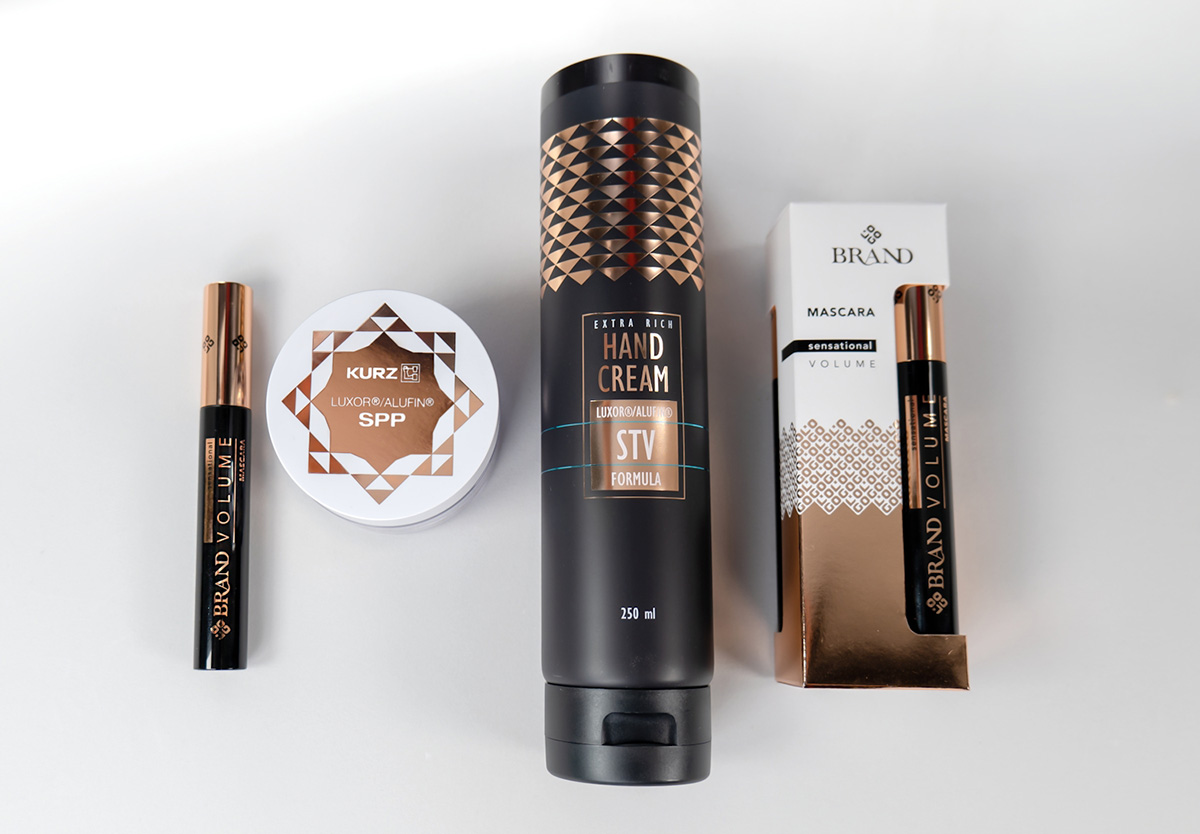
Cosmetics packaging has to work hard. It needs to look premium, survive handling, support brand recognition and often perform across multiple pack formats, such as jars, tubes, bottles, caps, cartons and sleeves.
Hot-stamping applications for cosmetics include tubes, shrink sleeves, hair products, and beauty care packaging. KURZ decorative finishes are compatible with cosmetics packaging formats, including make-up palettes, lipsticks, mascaras, bottles, jars, tubes, glass, aluminium containers, plastic caps and closures. KURZ decoration methods are also designed with scratch resistance, adhesion strength, and durability in mind for everyday cosmetic and skincare use.
For beauty brands, the next few years will reward packaging that feels sensorial but not wasteful, premium but not excessive, and distinctive without becoming difficult to recycle or reproduce.
What this means for cosmetics designers: use metallic, holographic, pearlescent or high-gloss details to support the brand story, but do the technical work early, especially on curved surfaces, tubes, refill systems and mixed-material packs.
The practical design rule for 2026/27
The strongest packaging will come from designers, printers, brand teams and material specialists working together earlier. KURZ’s 2026 LUXE PACK messaging focuses on luxury, performance, and sustainability as three interconnected dimensions of future packaging decoration and highlights the need to bridge the gap between creative ambition and production reality.
For brand managers and designers, the key questions are:
- What should the embellishment communicate?
- Is hot stamping, cold transfer or digital transfer the right process for the run length, substrate and design?
- Does the finish support the sustainability claim?
- Can the design be produced consistently at scale?
- Is there an opportunity to build in authentication or smart packaging?
- Has the printer or converter been involved before the final artwork sign-off?
Packaging embellishment in 2026/27 is not about using more foil. It is about using the right finish, in the right place, for the right reason.
For more guidance or more information, please contact us on cs@synchron.co.za.
Related Posts
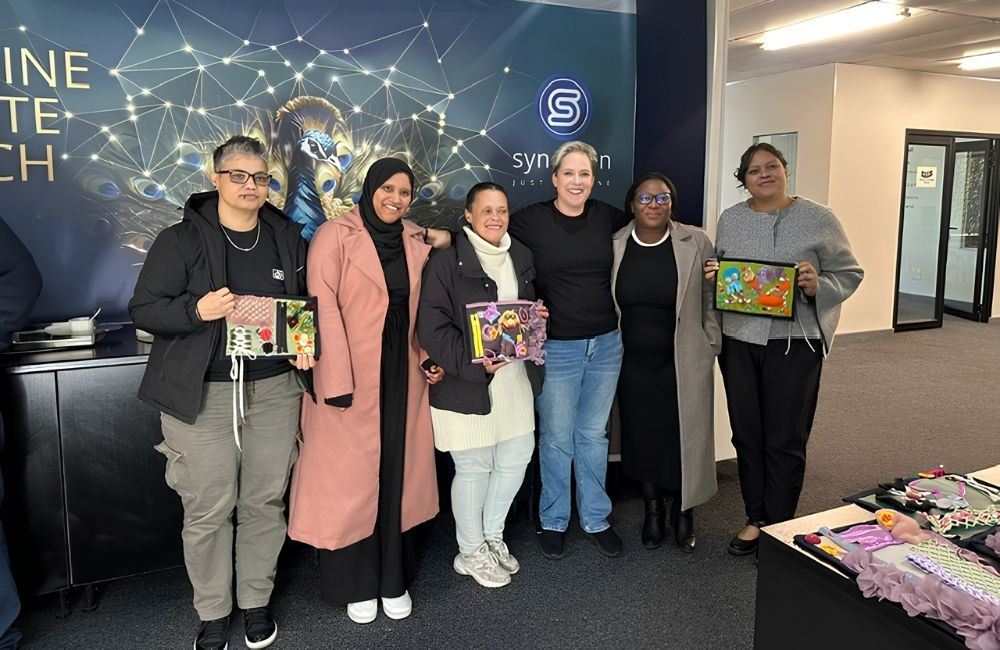
For Mandela Day, the Synchron team turned familiar fabrics into thoughtfully designed sensory blankets, combining creativity, expert guidance and community care. Together with donations of food and clothing, the handmade blankets supported three local organisations and showed how everyday resources can make a meaningful difference.

Mpact laboratory testing provides encouraging evidence for brands considering decorative transfer foil on fibre-based packaging. Three KURZ hot- and cold-transfer foil samples achieved exceptionally high fibre yields and were assessed as suitable for standard-mill recycling, supporting more informed and responsible packaging design.

Once upon a time, a truck curtain was mainly expected to keep cargo covered, protected from the weather and easy to access during loading and unloading. That has changed…
